Payment Scam
Recognising and Preventing Payment Scams
A payment scam tricks you into sending money to someone who isn't who they say they are, or for something that doesn't exist. It might be a fake invoice, a "refund" that needs a small fee first, an overpayment trick where you're asked to send the difference back, or pressure to switch a real payment to a new bank account.
The push is always urgency and trust: pay now, before someone checks. The single best protection is to slow down and confirm the payment details on a channel you already use, not the one the request arrived on.
Things to Be Careful About:
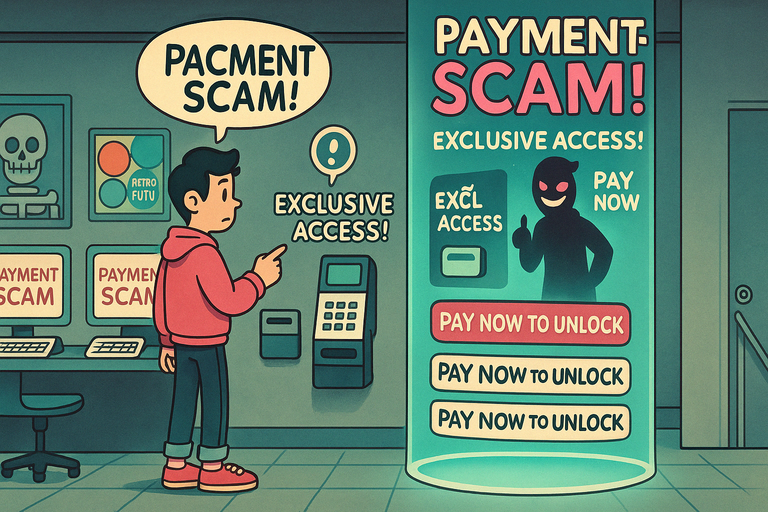
- Unverified Payment Requests: Be wary of unexpected or unsolicited payment demands.
- Pressure to Pay Immediately: Scammers often create urgency to push victims into making quick decisions.
- Fake Invoices or Receipts: Fraudsters may send falsified documents to legitimize their claims.
- Unusual Payment Methods: Requests for payments via gift cards, wire transfers, or cryptocurrencies can indicate a scam.
- Claims of Overpayment: Scammers may claim they overpaid and request a refund, often using stolen payment methods.
Actions You Can Take:
- Verify Payment Requests: Confirm the payment details with the sender through official channels before transferring money.
- Check Payment Methods: Use secure and traceable payment methods to protect against fraud.
- Inspect Invoices and Receipts: Look for discrepancies or signs of forgery in payment documents.
- Monitor Your Accounts: Regularly check your bank or payment accounts for unauthorised transactions.
- Report Scams: Notify your payment provider or local authorities if you suspect fraudulent activity.
Payment scams exploit trust and urgency to deceive victims. By staying cautious and verifying requests, you can protect your financial security and avoid falling victim to fraud.
Still worried about online scams?
If something doesn’t feel right, you don’t have to deal with it alone. Get instant guidance from ScamAvert AI, or try the free Open Beta app for ongoing protection.
No credit card required
Want to learn how to spot this kind of scam?
CyberSafe Coach provides free, short lessons that teach you how to check before you act — the habit that protects you against this scam and every other kind.
CyberSafe Coach is an independent partner service. The link will open in a new tab.